


The Impact of Economic Challenges on One of France’s Leading Retail Chains
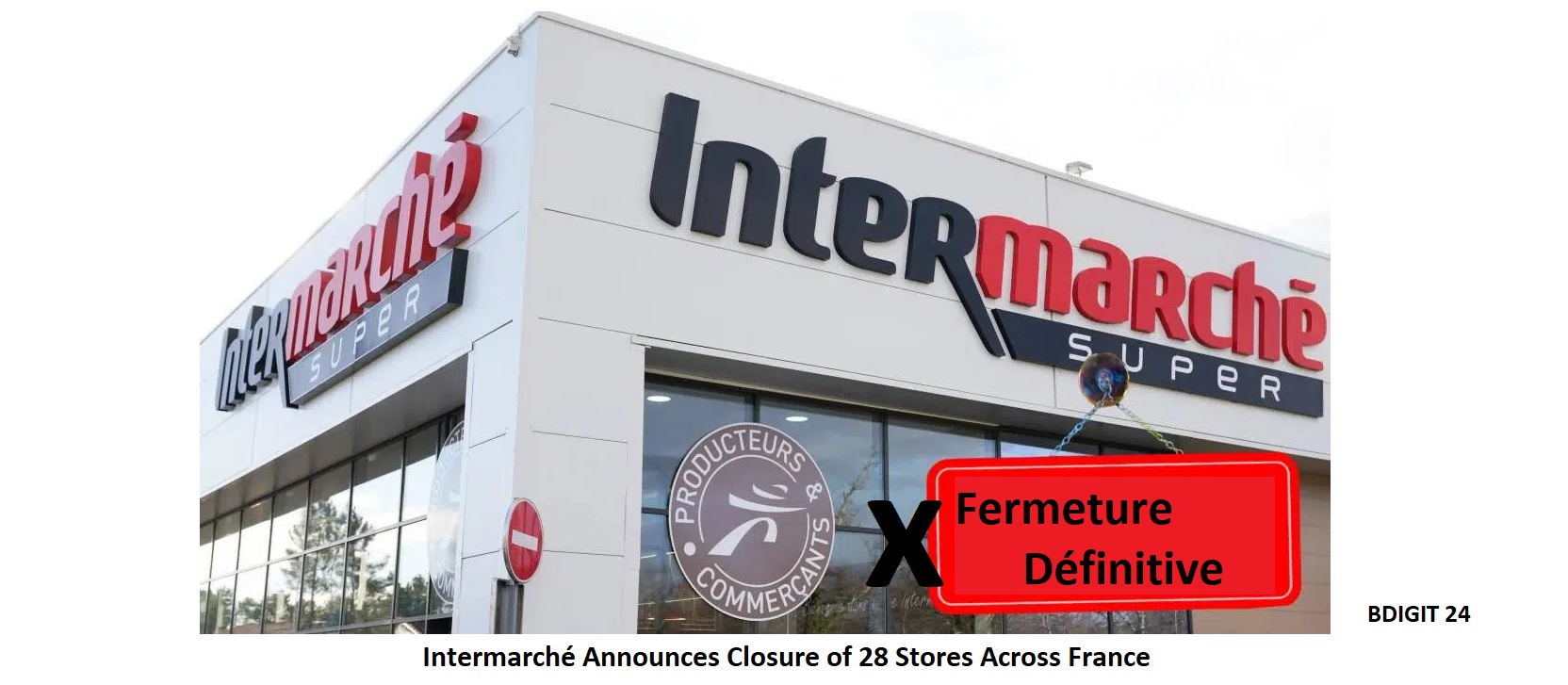
Intermarché, one of France’s most prominent supermarket chains, has announced plans to close 28 stores across the country. This decision, which follows the acquisition of Casino Group stores in late 2023, marks a significant shift in the retail landscape and raises concerns for consumers and employees alike. With nearly 680 jobs at stake, this development highlights ongoing challenges in the grocery sector.
Why Are These Stores Closing?
The closures are part of a broader restructuring effort by Intermarché’s parent company, Les Mousquetaires Group. Despite acquiring 294 stores from Casino Group in October 2023, financial stability remains elusive for certain locations. According to Intermarché, these stores face insurmountable challenges such as:
- High operational costs: Elevated rental prices and maintenance expenses have turned some locations into financial liabilities.
- Declining customer traffic: Many stores inherited from Casino struggled with customer retention due to perceived high pricing policies.
- Lack of investment: Years of insufficient investment in infrastructure have left several stores unable to compete effectively.
These factors have rendered the commercial viability of these outlets impossible in the short and medium term. As a result, Intermarché has opted for closures to prevent further financial losses.
The Impact on Employees
The closure of 28 stores will affect approximately 680 employees. Intermarché has pledged to support its workforce during this transition by offering individual assistance and alternative job opportunities within the group. However, uncertainty remains for many workers as they face potential unemployment.
Cities Affected
The closures span various regions across France, impacting both urban and rural communities.
The 28 stores slated for closure are located in various cities across France, including:
- Millau
- Decazeville
- Les Pennes-Mirabeau
- Lucé
- Plonéour-Lanvern
- Pont-Saint-Esprit
- Auzeville-Tolosane
- Blagnac
- Cenon
- Le Rheu
- La Riche
- Châlette-sur-Loing
- Fumel
- Dombasle-sur-Meurthe
- Metz
- Bagnoles de l’Orne
- Sauvagnon
- Idron
- Perpignan
- Saint Louis
- Meaux
- Saint-Mard
- Ozoir-la-Ferrière
- Niort
- Pompaire
- Épinal
- Fresnes
- Le Thillay
Additionally, two stores have already been closed: one in Lyon, Place Gabriel Péri, and another in Boissy-Saint-Léger.
A Broader Crisis in French Retail
Intermarché’s decision is not an isolated case but rather part of a larger trend affecting the French grocery sector. Economic pressures such as inflation, rising logistics costs, and increased competition from e-commerce giants like Amazon have forced many retailers to rethink their strategies. Additionally:
- Household spending on fast-moving consumer goods (FMCG) has stagnated, with shoppers prioritizing value over brand loyalty.
- Hypermarkets and supermarkets are losing market share to discounters and specialized retailers.
This market fragmentation has created intense competition, leaving traditional supermarket chains struggling to maintain profitability.
What’s Next for Intermarché?
Despite these challenges, Intermarché remains committed to its long-term growth strategy. The acquisition of Casino stores was initially seen as a transformative move, expected to generate €3 billion in annual revenue. While 211 of these stores have successfully transitioned into Intermarché outlets and 62 into Netto discount stores, others have proven less viable due to persistent economic hurdles.
To adapt to changing consumer habits, Intermarché may need to invest more heavily in digital transformation and competitive pricing strategies. The company also faces pressure to renegotiate rental agreements and optimize operational efficiency.
Intermarché’s announcement underscores the difficulties facing France’s retail industry amid shifting economic conditions. While the closure of 28 stores is a blow to affected communities and employees, it reflects a necessary step for the chain to stabilize its finances and compete in an increasingly fragmented market. As consumers continue to hunt for value and convenience, retailers like Intermarché must innovate to stay relevant.
#RetailNews #Intermarché #StoreClosures #FrenchEconomy #SupermarketTrends
