


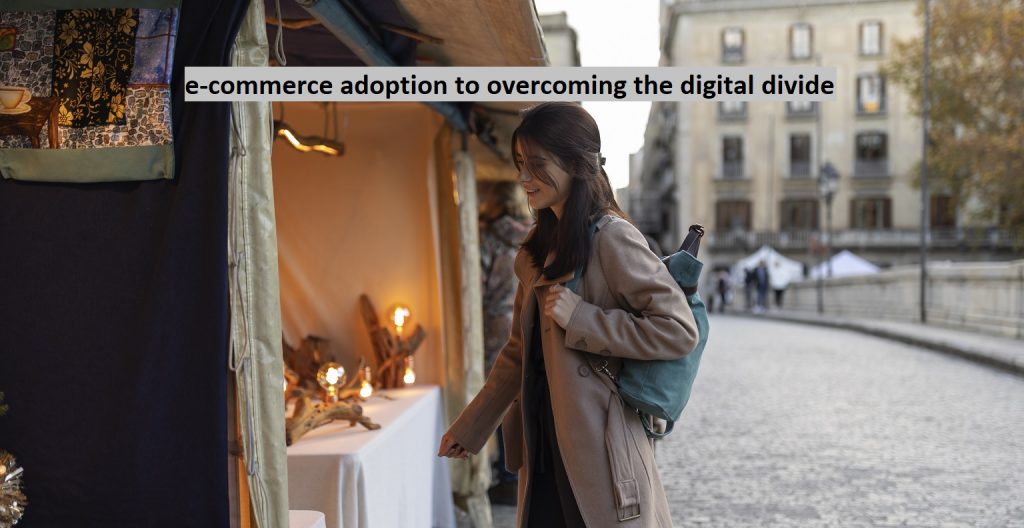
From e-commerce adoption to overcoming the digital divide, local businesses in France are navigating a tech-driven future with mixed outcomes and growing opportunities.
In the heart of Lyon, a family-run cheese shop recently launched an Instagram page and an online delivery service to reach a broader audience. Meanwhile, a boutique in Bordeaux shuttered its doors permanently, citing low foot traffic and lack of digital skills. These contrasting stories are becoming more common as small businesses in French cities navigate the challenges and opportunities of digital transformation.
With e-commerce booming, customer expectations evolving, and digital tools becoming essential, small businesses are at a pivotal crossroads. The shift is no longer optional, it’s a matter of survival.
E-commerce: A Lifeline and a Challenge
According to a 2024 report by INSEE (the French National Institute of Statistics and Economic Studies), over 58% of small urban businesses in France now use at least one digital sales channel, a significant jump from just 38% in 2019. This reflects how the pandemic accelerated digital adoption.
Platforms like Shopify, WooCommerce, and even local marketplaces like Cdiscount have helped many small retailers go online. However, this transformation is far from frictionless. Many businesses lack the expertise, time, or budget to set up and maintain digital stores.
Take the example of “Maison Tissu,” a textile shop in Lille. The owner, in her 60s, shared in a local interview that building a website was daunting. “I wanted to go digital, but I didn’t know where to start. It felt like learning a new language.”
This is where the digital divide, a growing gap between tech-savvy entrepreneurs and traditional business owners, becomes a major barrier.
The Digital Divide: More Than Just Tech
The digital divide isn’t just about lacking a website or social media presence. It’s also about digital literacy, infrastructure, and mindset. Older entrepreneurs and immigrant-owned businesses often face greater hurdles due to language barriers or unfamiliarity with digital tools.
In Marseille, a study conducted by the Chamber of Commerce and Industry found that 25% of small business owners had never used a business analytics tool, and only 18% were confident using social media to drive sales.
Moreover, businesses in smaller cities like Dijon or Reims may struggle with slower internet speeds or limited access to tech support, making digital adoption even harder.
Government Support: A Crucial Role
Recognizing the urgency, the French government launched several initiatives. The France Num program provides digital diagnostic tools, free training sessions, and financial grants to small and medium enterprises (SMEs) looking to modernize their operations.
In 2023, over 130,000 small businesses in France received digital support from government programs, according to the Ministry of Economy.
Local municipalities have also stepped in. For example, Paris has a dedicated “Digital Coach” initiative that offers in-person consultancy to small businesses on setting up websites, Google My Business pages, and CRM systems.
Still, awareness and accessibility remain issues. Many businesses don’t know these resources exist, or they find the application process complex.
Customer Engagement in the Digital Era
One of the biggest wins for digitally transformed businesses is improved customer engagement. Email marketing tools, loyalty apps, and social media allow small businesses to build stronger relationships and create repeat sales.
“Physical locations will remain relevant but will need to evolve into experience centers rather than just transaction points.”“Physical locations will remain relevant but will need to evolve into experience centers rather than just transaction points.”
Digital tools also open up data-driven decision-making. By analyzing customer behaviors and sales patterns, even a small store can personalize offers and improve its inventory management, something that was once exclusive to large retailers.
The Future of Brick-and-Mortar Stores
Does this mean physical stores are doomed? Not quite.
Experts agree that the future lies in “phygital” (physical + digital) models. A store might still have a physical location but rely on digital tools for marketing, booking, loyalty programs, or hybrid services like click-and-collect.
Retail analysts at Deloitte France noted in a recent study:
“Physical locations will remain relevant but will need to evolve into experience centers rather than just transaction points.”
In cities like Strasbourg and Montpellier, concept stores are popping up with in-store tablets, augmented reality product previews, and digital checkout kiosks.
Adaptation is the New Survival
The digital transformation of small businesses in French cities is both a challenge and a chance. Those who adapt, learn, and leverage available support systems are seeing new growth opportunities. But others, hindered by knowledge gaps and resource limitations, risk being left behind.
As France moves toward a more digitized economy, empowering small businesses through training, accessible tools, and inclusive policies will be key to ensuring that no entrepreneur is left in the digital dark.
The future is here and it’s both online and local.
#DigitalTransformation #SmallBusinessFrance #EcommerceTrends #FrenchEconomy #TechForSMEs #FutureOfRetail #DigitalDivide